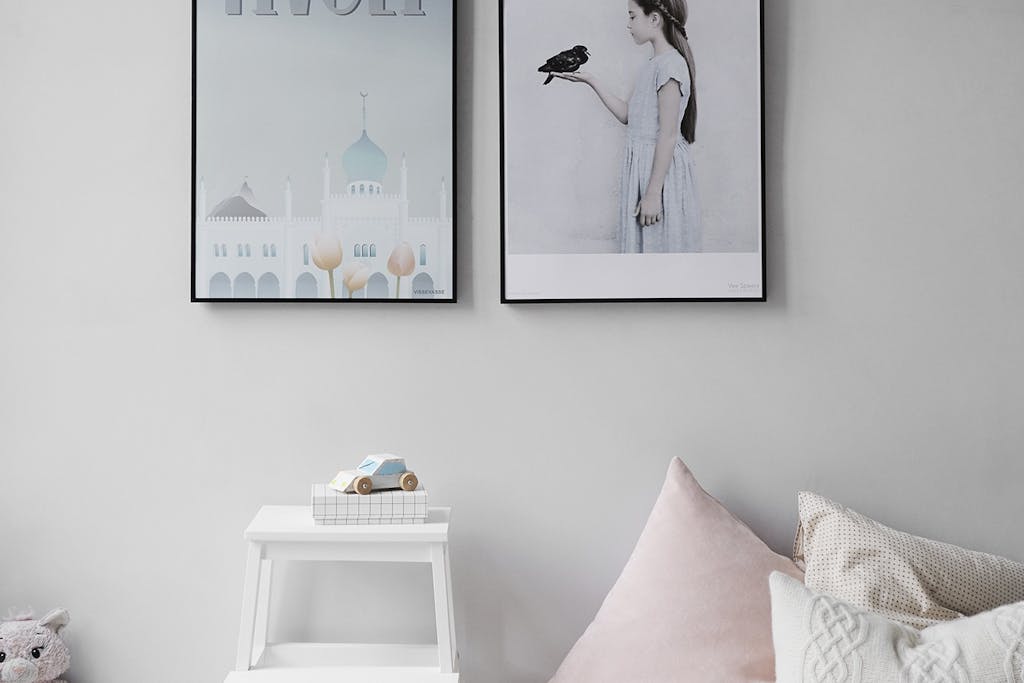
Creating a cohesive look across your home is an integral part of interior design. It brings harmony, balance and visual continuity which makes your living space more comfortable and inviting. The process might seem overwhelming, especially for beginners. However, with the right approach, it can be simple, enjoyable, and rewarding.
Establish a Common Color Palette
Choosing a uniform color palette is a crucial step in creating a cohesive home decor. This does not mean that all rooms should have the same color. Instead, it’s about picking a blend of complementary colors that will be used differently in each room. For instance, you could choose cool blues and neutrals for your living room while incorporating blue accent pieces in your bedroom or kitchen.
Use a Central Theme or Design Style
Having a central theme or design style can guide your decorating decisions. This prevents disjointed and clashing designs that can disrupt the fluidity of your home decor. Whether you opt for modern minimalism, classic elegance, or rustic charm, ensure the theme is consistently applied throughout your home.
Incorporate Consistent Patterns and Textures
Patterns and textures add more depth and character to your interior design. However, to maintain cohesion, it’s advisable to use repetitive patterns and textures. For example, if you’ve used floral patterns on your living room cushions, you could mirror this in your bedroom curtains or table runner in the dining room.
Coordinate Your Flooring
Flooring is a large surface area that visually connects your rooms. By coordinating your flooring, either by using the same materials or colors, you can create seamless transitions from one room to the next.
Similar to the design theme, consistent furniture style is key in creating a cohesive look. It’s advisable to choose pieces that match in style, even if they differ in shape, size, or color.
Strategic Placement of Accessories
Accessorizing is a great way to unify your entire home decor. By strategically placing similar accessories, such as artwork, lamps, or rugs throughout your home, you can create a subtle connection between your rooms.
Consistent Lighting Fixtures
Lighting plays a vital role in establishing the mood and ambiance of a room. By using consistent lighting fixtures throughout your home, you can create a continuous flow and connection between different spaces.
Use Transitional Elements
Transitional elements such as architectural details, door style, or window design can bring cohesion. Ensure these elements have a recurring motif, pattern, or color.
Final Thoughts
Creating a cohesive look across your home need not be daunting or complicated. By following these guidelines, you can transform your living space into a harmoniously coordinated home that is both visually pleasing and comforting. It all requires a little planning, creativity, and an understanding of basic design principles. With these in place, you will enjoy every step of the process.